SUNIST Sino-UNIted Spherical Tokamak — a laboratory for controlled fusion
The SUNIST laboratory studies spherical tokamaks as a pathway towards affordable fusion energy. It has operated the SUNIST device since 2002 and is constructing its successor, SUNIST-2.
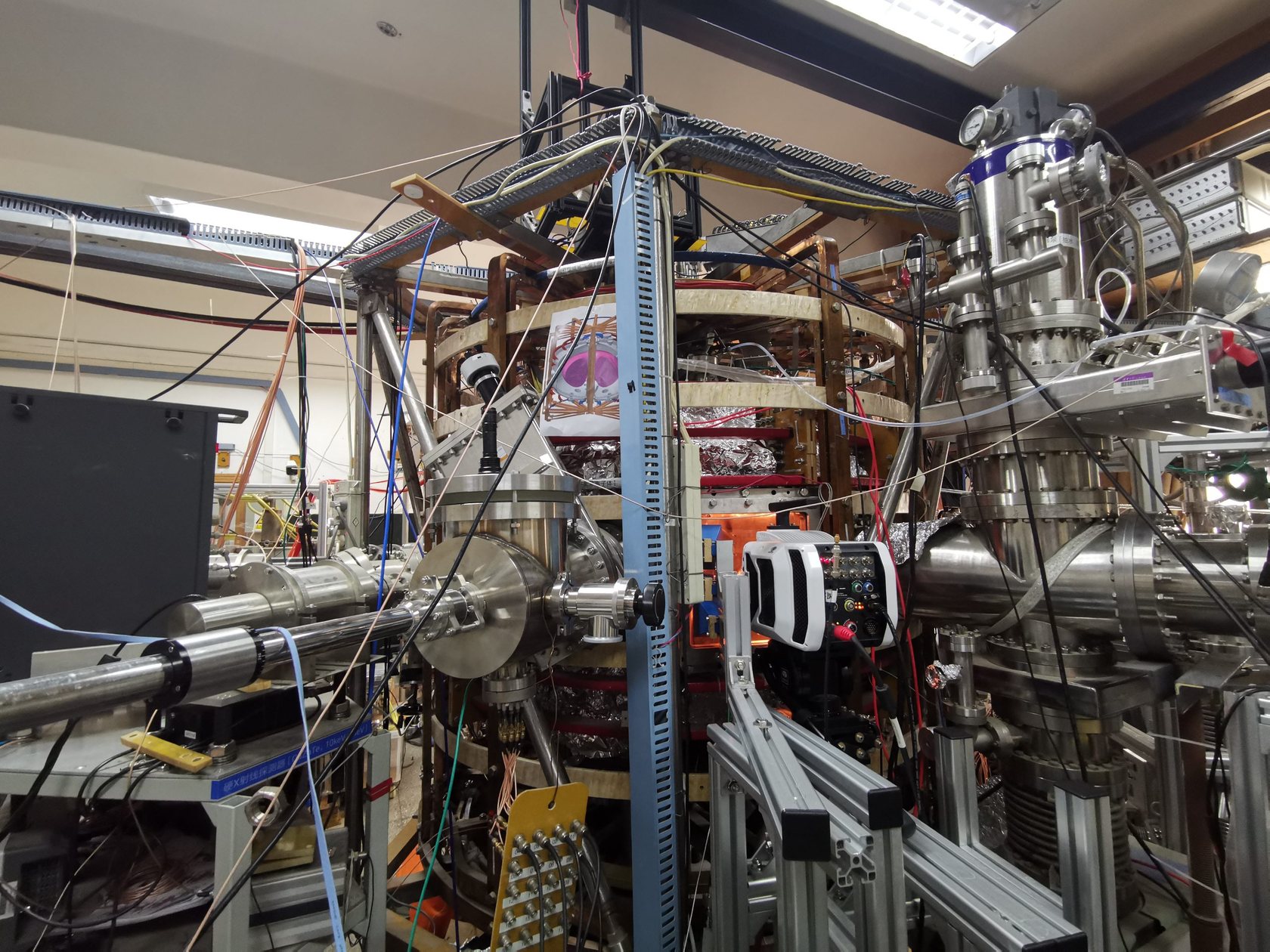
Key parameters of the SUNIST device
-
0.30 / 0.23 m
Major / minor radius (R0 / a)
-
< 0.27 T
Toroidal magnetic field on axis
-
< 120 kA
Plasma current
-
~1019 m-3
Electron density
A place to discover new physics
The SUNIST laboratory is a place to discover new physics and to invent new technologies that may make fusion an affordable and effectively inexhaustible energy source for humanity as soon as possible.
The pathway currently selected by the lab is the spherical tokamak. The lab operates SUNIST, which produced its first plasma on 4 November 2002 and was substantially upgraded in 2008, and is constructing its successor, SUNIST-2.
Over its first two decades of operation SUNIST produced roughly 100,000 discharges. Research on the device spans equilibrium reconstruction, heating and current drive, MHD stability and disruptions, turbulence and transport, fuelling, wall conditioning and plasma diagnostics.
About the device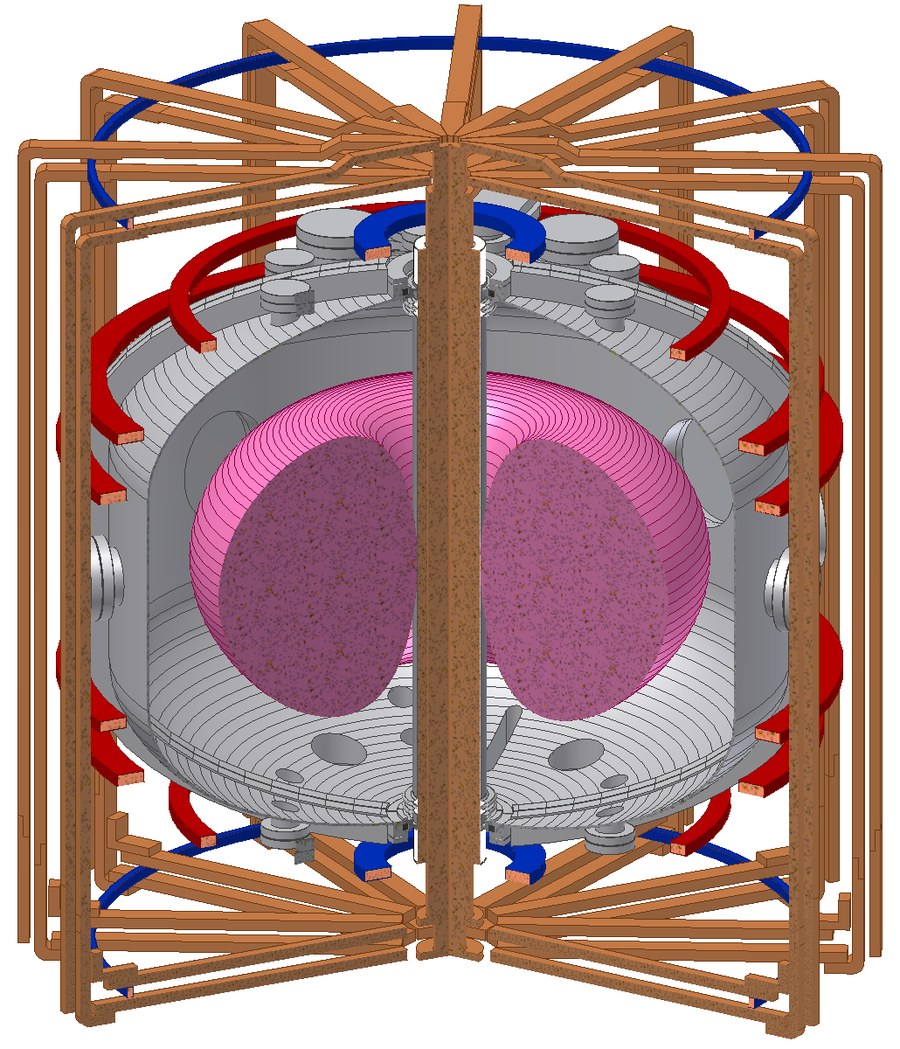
What the laboratory works on
Spherical tokamaks confine hot plasma in a compact, low-aspect-ratio geometry. Work on SUNIST covers both the plasma physics of the device and the engineering needed to create, control and observe it.
Flux saving & 3D eddy currents
A split vacuum vessel that trades symmetry for Ohmic flux — and the three-dimensional eddy currents that result.
Read more →Heating & current drive
Electron-cyclotron start-up, Alfvén wave current drive and electron-Bernstein wave heating and mode conversion.
Read more →MHD stability & disruptions
Internal reconnection events, minor disruptions, toroidal Alfvén eigenmodes and tearing modes during current ramp-up.
Read more →Turbulence & transport
Edge fluctuations, anomalous transport, nonlinear energy transfer and a quasi-coherent mode in the core plasma.
Read more →Diagnostics
Magnetic probes, a 105 GHz five-channel interferometer and coverage of the full electromagnetic spectrum.
Read more →Fuelling & wall conditioning
High-field-side supersonic molecular beam injection, gas-puff repeatability, baking and glow-discharge cleaning.
Read more →SUNIST-2
SUNIST-2 is the next-generation spherical tokamak being built by the laboratory. It follows two decades of SUNIST operation and adds more flexible operation modes together with modern power supplies and pre-ionization systems.
This project status reflects what the SUNIST group reported at ISTW 2022. The laboratory will publish further updates on this site.
About SUNIST-2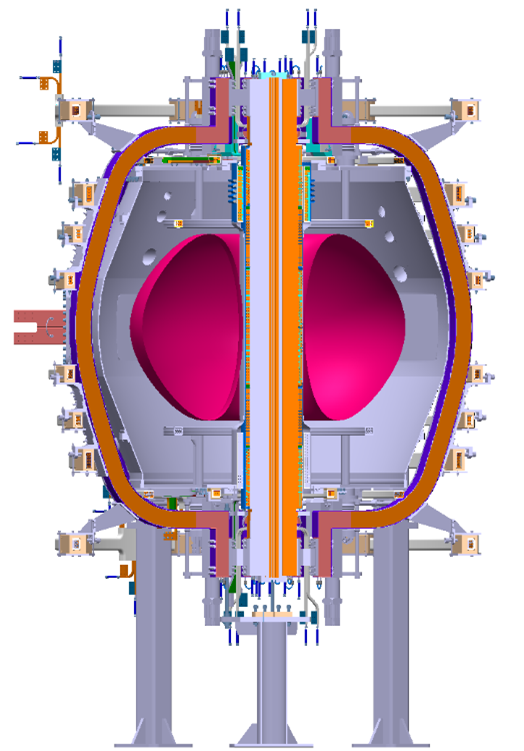
ISTW 2022 · 21st International Spherical Torus Workshop
The laboratory hosted the 21st ISTW virtually on 31 October – 4 November 2022. The programme, book of abstracts and presentation files remain available as an archive.
Find us
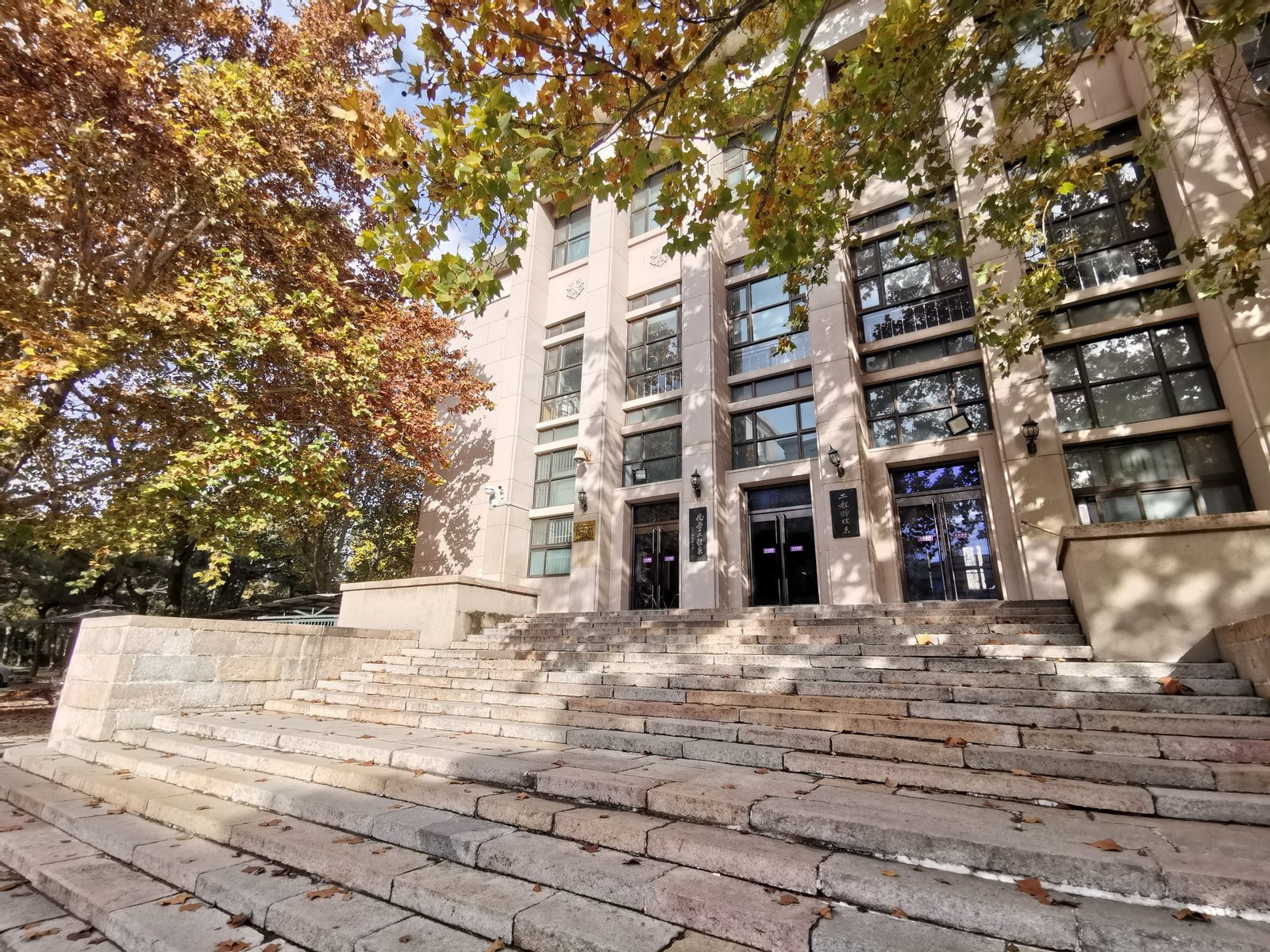
Room 158, Building of Engineering Physics (Gongwuguan)
Tsinghua University, Haidian District
Beijing 100084, China