
Abstract
The spherical tokamak SUNIST developed by Tsinghua University and Institute of Physics, Chinese Academy of Sciences has achieved remarkable progress over the past 20 years. With its compact design and advantageous confinement scaling, the spherical tokamak continues to hold promise as an attractive candidate for future fusion reactors. This review summarises key findings and technological innovations from two decades of research on SUNIST. The improved plasma performance through upgrades, unique physics phenomena observed, and advanced diagnostic systems developed are highlighted.
Introduction
The spherical tokamak (ST) represents a pivotal diversion from conventional tokamak designs, characterized by a significantly reduced aspect ratio and a compact, spherical vacuum vessel. With the promise of superior confinement and stability properties, the concept has drawn significant attention from the magnetic confinement fusion community. Capitalizing on these advances, Tsinghua University and Institute of Physics, Chinese Academy of Sciences decided to construct China's first spherical tokamak. Named the Sino UNited Spherical Tokamak (SUNIST), the ambitious project was launched in 1999. After three years of intense engineering and construction, SUNIST successfully achieved first plasma on November 4, 2002[1]. Over the past 20 years, SUNIST has made important contributions to the understanding of ST physics and technology. Key findings include the observation of good confinement at low aspect ratio and mechanisms for density limit disruptions unique to the ST geometry. With a thriving diagnostic development program, SUNIST has also served as an invaluable hands-on education platform for training fusion researchers. This series reviews the scientific journey of SUNIST over two decades of operation.
Eight chapters on two decades of SUNIST
The review is published here as a linked series of pages, each focused on one part of the SUNIST story. Figures and equations are taken from the manuscript.
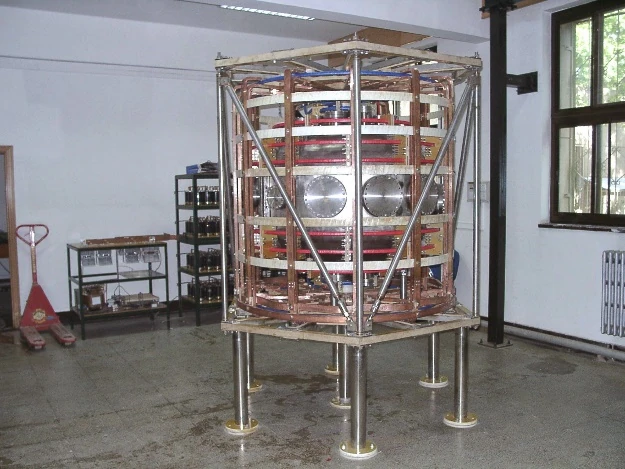
Two decades of research on SUNIST
More than 100,000 discharges on a compact spherical tokamak.
Read chapter →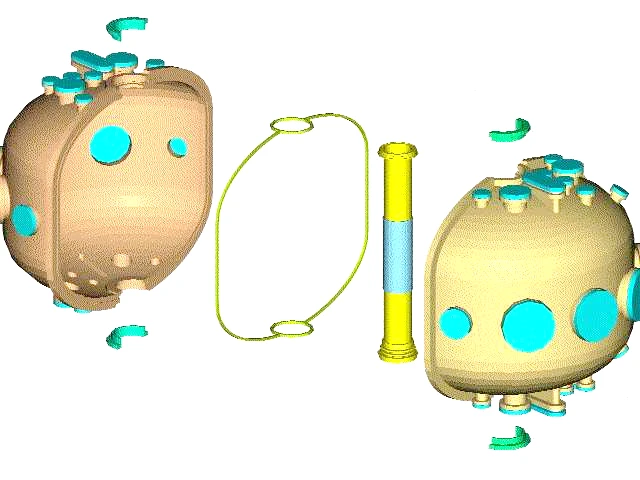
Flux saving design and its effects
Splitting the vacuum vessel to save flux — and the three-dimensional eddy currents it creates.
Read chapter →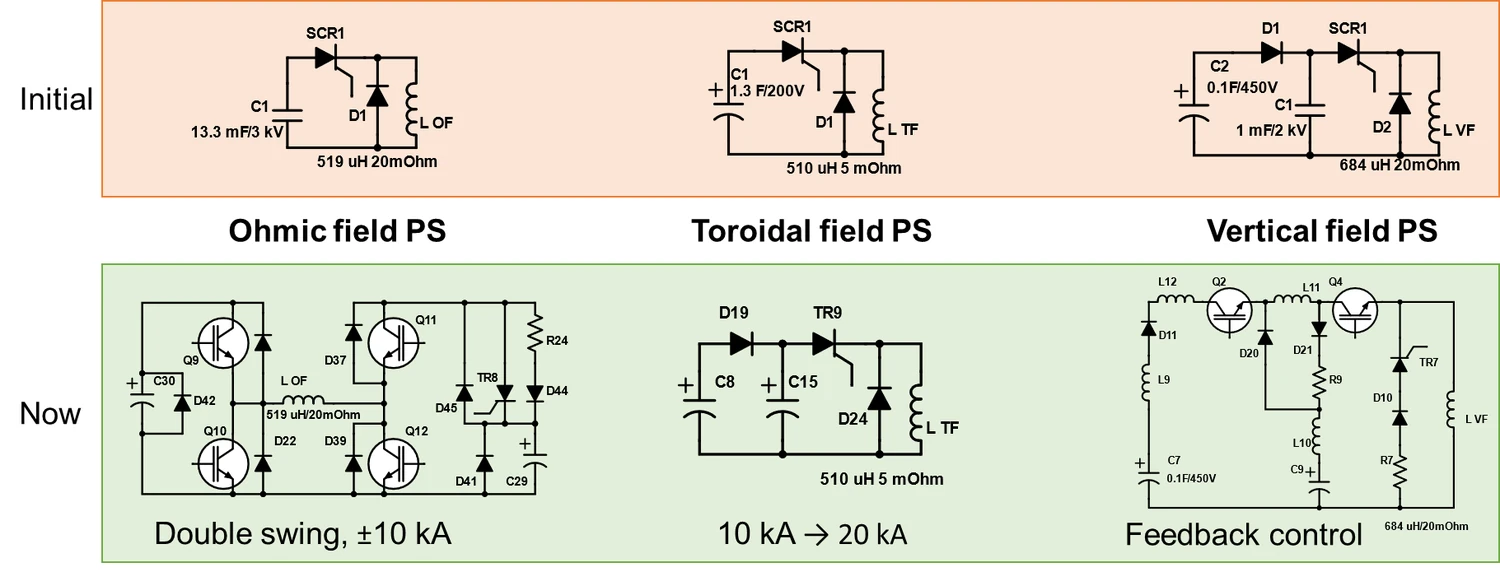
Device upgrades and performance enhancements
Rebuilt power supplies, higher fields and hotter, longer discharges.
Read chapter →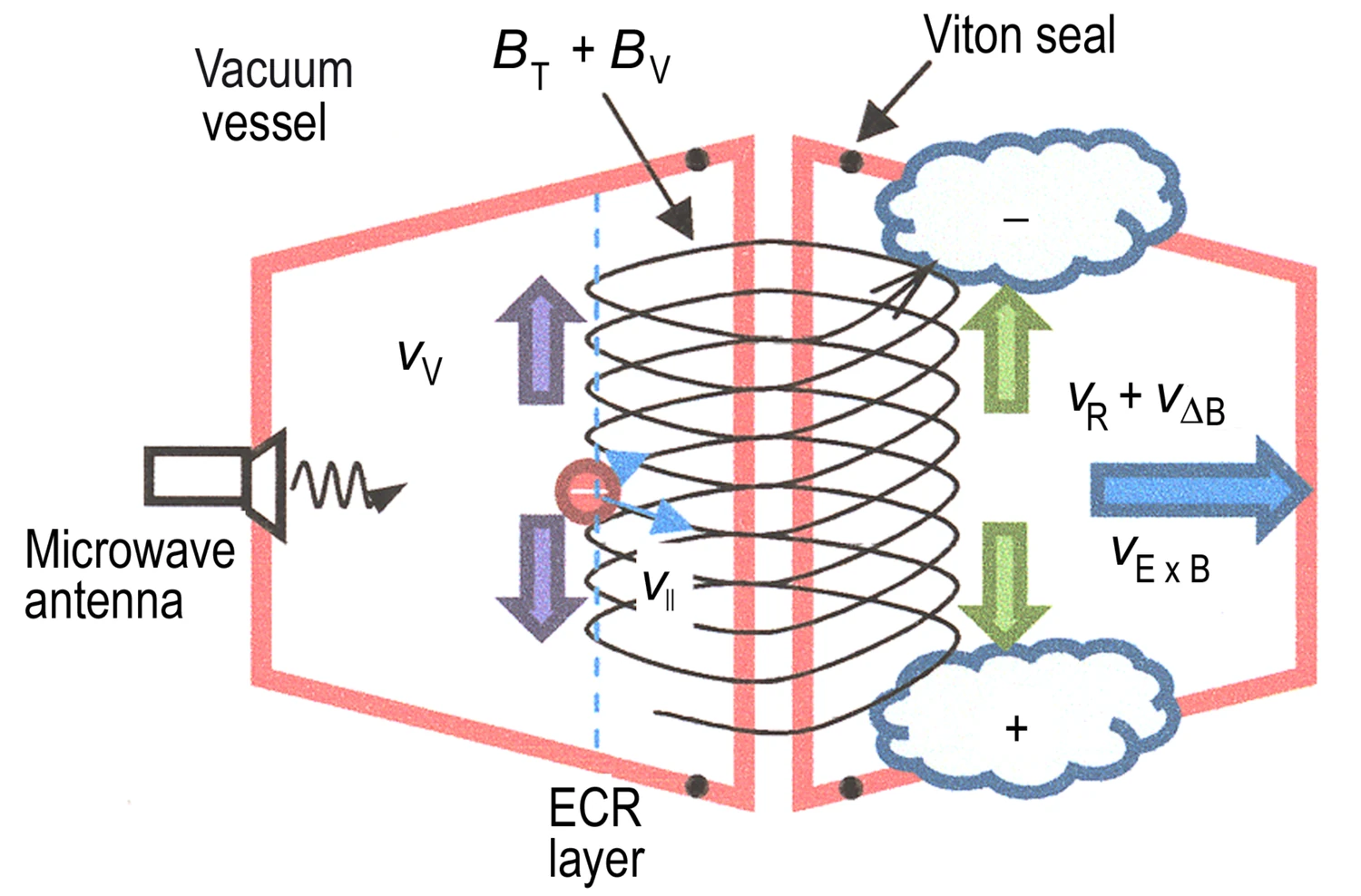
Non-inductive startup and current drive
Electron-cyclotron start-up, Alfvén wave current drive and electron-Bernstein wave heating.
Read chapter →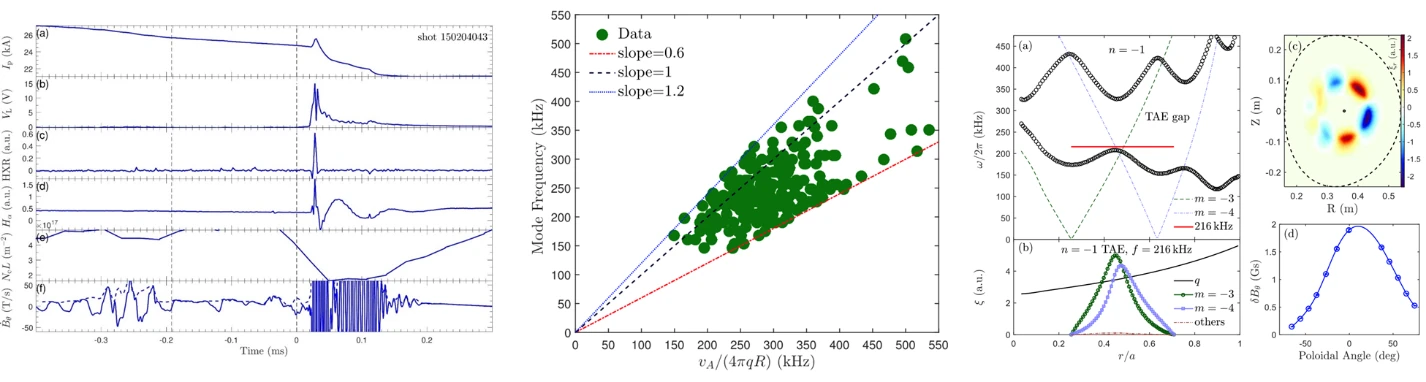
Properties of strongly shaped toroidal plasmas
Reconnection events, Alfvén eigenmodes and tearing modes in a strongly shaped plasma.
Read chapter →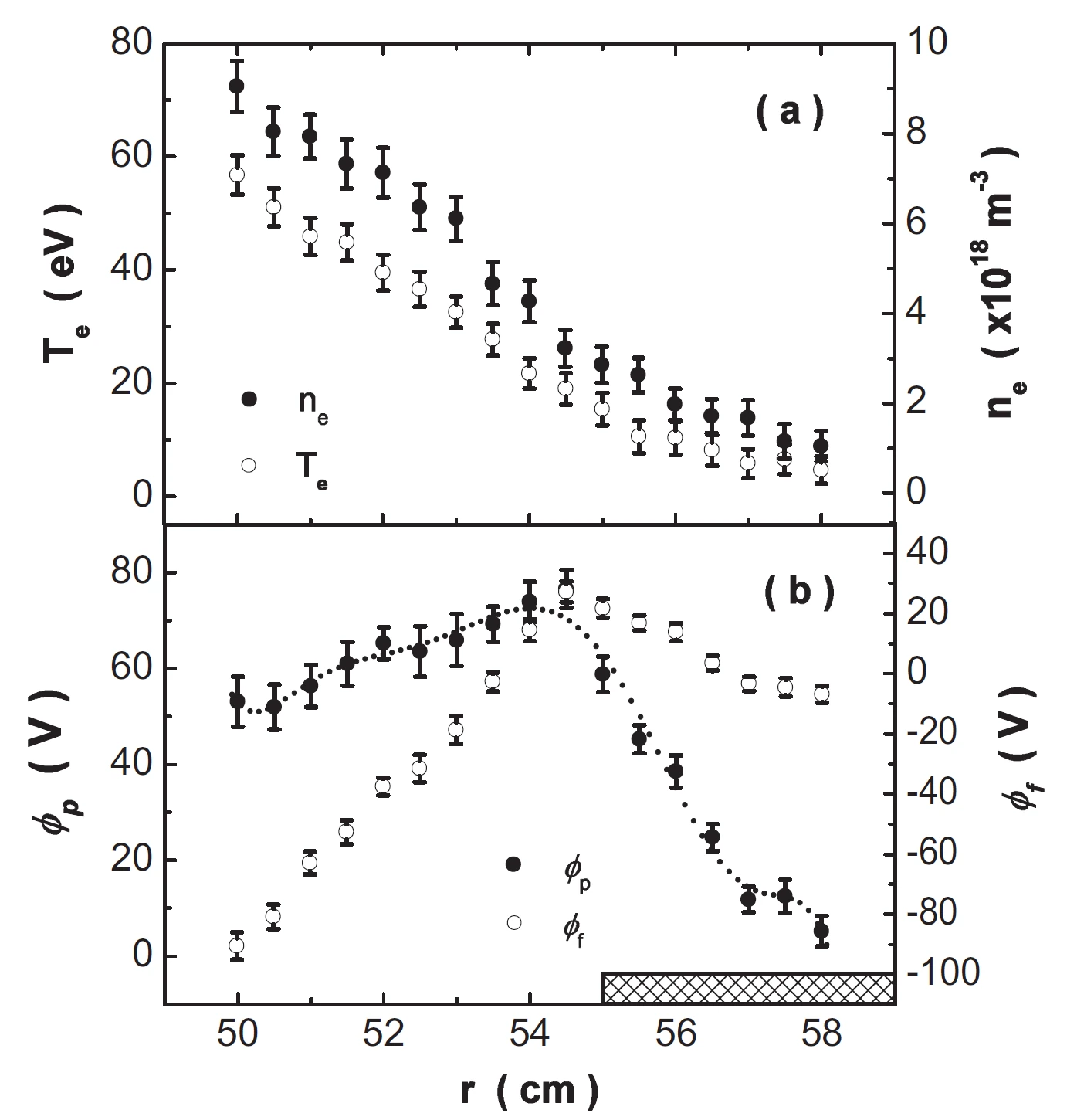
Basic plasma physics
Edge fluctuations, quasi-coherent modes and turbulence in a small tokamak.
Read chapter →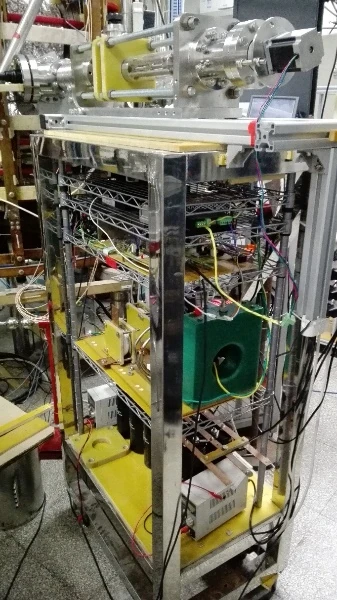
Development of featured diagnostics
Reciprocating probes, a five-channel interferometer and new ways to see the plasma.
Read chapter →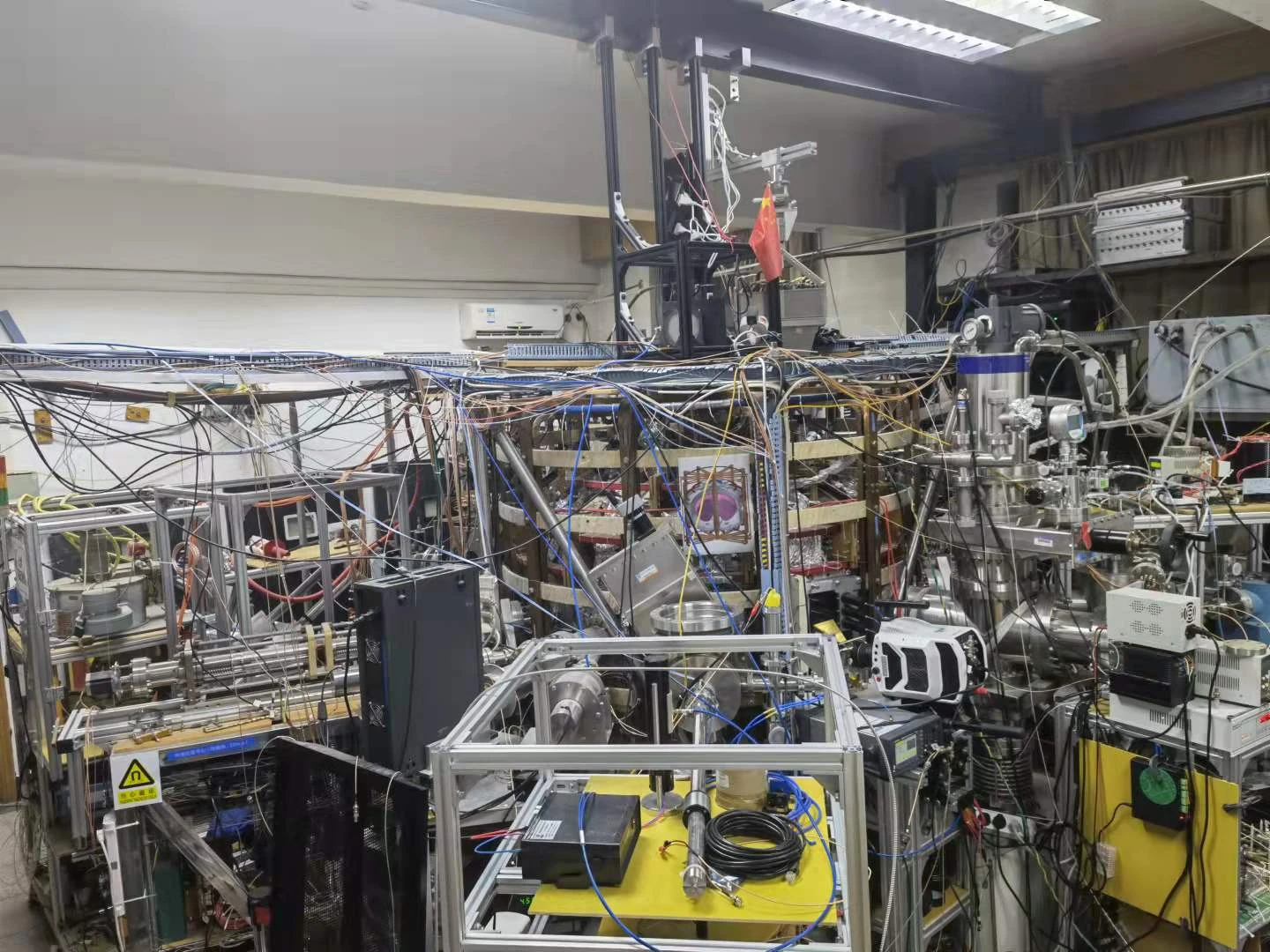
Summary and outlook
The legacy of SUNIST and the road to SUNIST-2.
Read chapter →References & acknowledgements
The papers, theses and grants behind the work.
Open references →The device behind the research
SUNIST is a small spherical tokamak with a split vacuum vessel, upgraded power supplies and a broad diagnostic set. Read about the machine itself.